Showing posts with label GallBladder Symptoms. Show all posts

Thursday, November 20, 2014

Symptoms of Kidney Infections


The kidneys are two separate but identical organs that are part of the urinary tract system. This system produces urine and eliminates it from the body. The kidneys play a big role in many processes that are completed by the urinary tract system, which is why this is an essential part of our body. We have two kidneys, but we can live with only one. However, if our kidneys get infected, we can be in serious danger.

The kidneys perform a number of functions in the body, including filtering waste products from the blood, regulating electrolyte levels, regulating blood pressure and contributing to red blood cell production.

The kidneys are located on both sides of the body, near the lower back underneath the diaphragm. Each kidney connects to the bladder by ureters that drain urine to the bladder from the kidneys. Urine is excreted from the bladder through the urethra.
Symptoms of Kidney Infections

Our urinary tract system, which includes the bladder and the kidneys, can get infected by the substances that get into our body through the urethra. If your bladder gets infected, it's not as threatening as when you get an infection in the kidneys. Females are more prone to infections in the urinary tract system because they tend to have shorter urethras than males.

Sexual intercourse can also lead to infections to the urinary tract system because the urethra is open and substances that are harmful can easily enter the area and move through the system. Your urinary tract system is also at an increased risk if you are a pregnant woman or you have diabetes. It is also said that you increase the chance of getting kidney infections if you do not drink enough liquids, if you have kidney stones or if you have an enlarged prostate gland that can block the urine from flowing out of the body.

One of these symptoms of a kidney infection is painful urination. The urge to urinate but only passing a small amount of urine is another symptom. Some other signs are foul-smelling urine, feelings of a bloated stomach, elevated temperature, shaking, vomiting and a feeling of pain at your back where the kidneys are located. If you experience any of these symptoms, you should contact your doctor. Your doctor will have specific tests that can be performed to see if you indeed have problems in the urinary tract system.

Having issues with your urinary tract system is not pleasant, so if you feel the symptoms of kidney infection and other parts of the urinary tract, you should seek for help from an expert immediately.           
Read more >>

Sunday, March 30, 2014

Urinary Tract Infection (UTI) Symptoms

Urinary Tract Infection (UTI) Symptoms
Urinary tract infection is caused by bacteria in one of the tracts through which urine passes. The infection can occur in the urethra, ureters, or the urinary bladder. Women are mostly affected due to UTI than men, but no specific reason has been found out till date. Men can also be affected by UTI with the infection causing greater level of discomfort.

The urinary tract infection symptoms should be treated properly; else it could damage the kidneys. Plenty of medications are available in the market to cure the urinary tract infection symptoms. Proper diagnosis is vital, as these symptoms can also be caused by other problems such as infections of the vagina or vulva.

In some cases, the urinary tract infection symptoms can resemble those of sexually transmitted diseases. Only a physician can make the distinction and make a correct diagnosis. This is important, because the right medications need to be prescribed to cure UTI symptoms. A strong urge to urinate without being able to delay is one of the urinary tract infection symptoms. A sharp pain or burning sensation in the urethra when the urine is released, is one of the other UTI symptoms.

Releasing very little urine with a tinge of blood is one of the other symptoms. The urge to urinate recurring frequently is one of the other urinary tract infection symptoms. Experiencing soreness in the lower abdomen, back, or sides, the sensation of needing to pass urine but being unable to do so and nature of urine being cloudy and foul smelling are various kinds of urinary tract infection symptoms.

Some of the urinary tract infection symptoms in newborns include fever or hypothermia (low temperature), poor feeding, and jaundice, and includes vomiting, diarrhea, fever, and poor feeding. Also the most common UTI symptoms are irritability, eating poorly, unexplained fever that doesn't go away, loss of bowel control, loose bowels, and a change in urination pattern.
Read more >>

Saturday, March 8, 2014

Pancreatitis - Causes and Symptoms

Pancreatitis - Causes and Symptoms
Quietly but diligently, the pancreas keeps working in aiding digestion and metabolism of food. This leaf-shaped organ situated between the stomach and the puny intestine, produces some of the most considerable enzymes that are required to digest our food. It has diminutive islands of cells that create these digestive juices that are poured into the limited intestine at timely intervals. Inflammation of the pancreas is termed as pancreatitis. It can be an acute or chronic disease.

The causes of pancreatitis are numerous. It can be due to a pancreatic infection like mumps; hereditary pancreatitis; pancreatic tumor attractive the head of pancreas; hypertriglyceridemia; obesity; alcohol; gallstone obstructing ampulla of Vater; hypercalcemia; renal failure; opportunistic infections; abdominal trauma; post-ERCP; post-operative pancreatitis; penetrating peptic ulcer; medications like valproic acid and furosemide; connective tissue disease like lupus; etc. Commonest causes are alcohol and gallstones. Once the pancreas is damaged, there can be recurrent episodes of acute exacerbations beyond an underlying chronic pancreatitis.

The wound of an acute episode of pancreatitis has a characteristic onset. It typically starts after a heavy meal or a binge of alcohol. There is engaging, shooting or dull injure above the umbilical site on the abdomen, radiating to the assist. The harm is so intense, that the patient must lie mild and avoid all movements that worsen it especially lying on the assist. Along with the injure, there might be intense sensation of nausea which may or may not precipitate into vomiting. Sudden high fever is approved too. Severe abdominal tenderness, bluish discolouration arrive the umbilicus and red nodules under the skin are seen in advanced cases of pancreatitis. A mass may be felt in the upper abdominal set during a physical examination.


The diagnosis is usually made by the characteristic symptoms, signs and corroboration by elevated serum amylase, serum lipase and white blood cell count. Serum amylase rises 3 times above normal usually. Most patients have elevated serum glucose levels and decreased calcium levels. Outcome becomes bad if there is significantly crude oxygen in blood, obesity, diabetes, gastro-intestinal bleed, organ failure etc. Pancreatitis can be confirmed on a CT scan of the abdomen. It is visualised as an enlarged and edematous pancreas. Abdominal x-ray can demonstrate intestinal perforation or obstruction due to pancreatitis, but does not attend visualise the pancreas itself. Similarly, an abdominal ultrasound may succor detect a gallstone or pancreatic cyst or a tumor that might be causing the pancreatitis.

Complications of pancreatitis range from pleural effusion (water around lungs)  to cardiac failure to necrotizing pancreatitis. Thus, immediate hospitalisation is mandatory. The patient is prohibited from taking any oral intake for the next 3 days. An intra-venous line is inserted and a normal saline drip is started. The patient is given pain-killers like meperidine and antibiotics if there is confirmed infection. Correction of metabolic abnormalities is done by giving calcium for hypocalcemia etc. if the patient is symptomatic. There is complete bed rest for a week and oral intake of a strict pancreatic diet is started only after the 4th day.
Read more >>

Monday, February 17, 2014

Some famous Information Needed About Gall Bladder Treatment and Symptoms

Some famous Information Needed About Gall Bladder Treatment and Symptoms
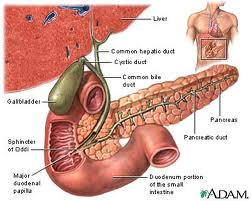
Liver is an organ inside the body that produces bile that is utilized in the process of chubby digestion. Once the liver discharges bile it is kept in an organ known as the gallbladder, which is found very approach the liver and is linked to it through the hepatic duct. When you ingest fatty foods, the gallbladder is accelerated as well as the bile flows via the cystic duct into the usual bile duct from there directing in the intestines. Often, particular substances that are discovered in the bile fabricate into crystal in the gallbladder it develops gallstones.

These are typically associated with the consumption of foods, which are higher in carbohydrates, bulky and lower in fiber. The troubles that are triggered by these gallstones are pancreatitis, cholecystitis, gallstone ileus and others. Typically, the patient having gallbladder symptoms will have serious cholecystitis.

When there is gallstone, the muscular tissue in the gallbladder as well as the duct contract attempting to construct the stone proceed creating coarse distress in the abdomen's lawful side. The distinguished symptom of the gallstone is a dense hurt in the abdomen's upper fragment particularly after involving a fatty meal.


If for some reason the gallstone doesn't pass through on its believe, a patient may have to undergo surgical method to rule out the stone. The most typical surgical plot for removing gallstone is called laparoscopic cholecystectomy, a surgical way that is accomplished through a microscopic atomize. This is a very typical and level-headed process and seldom people will hear any complications.

These gallstones trigger colic and jaundice. A couple of other gallbladder symptoms that are typical location discomfort in the moral side on the chest, flatulency, feeling of nausea as well as belching. If the discomfort is really grievous, it can range directly to the wait on suitable shoulder blade.

Of course, the well-behaved arrangement to treat gallstones is to avoid gallstones. To avoid gallstones it is valuable to withhold the body flushed with rich fiber. Water-soluble fiber like that discovered in several fruits and vegetables are wonderful sources of fiber. You must also bewitch foods that are high in whole grain dietary fibers.
Read more >>

Monday, February 10, 2014

How Do I Stop Gallbladder Pain?

How Do I Stop Gallbladder Pain?
Very simply, gallbladder pain is typically caused by gallstones. So, what causes gallstones This has confused a great many people due to the incredible amount of misinformation out there. I would like to simplify it for you so you can easily stop gallbladder pain and regain control of your life. You see, gallstones are almost always cholesterol deposits. It is a lesser known fact that you do not ever, ever need to get cholesterol from your diet. Although a small amount of cholesterol is important in your body, your liver naturally produces all the cholesterol you will ever need. But, we aren't the only ones who naturally produce cholesterol. All other animals do as well. When we eat them, we take in their cholesterol as well. This causes our net cholesterol, both HDL and LDL to go way up. This increase in cholesterol is what leads to heart disease and many other harmful conditions, including gallstones which is the cause of your gallbladder pain.

So, the most effective way to reverse gallbladder pain is to stop eating animal foods. That means meat (this includes white meat and fish too). It also means you have to stop eating dairy foods which includes butter, cream, milk, cheese, etc... It's a very simple reason. Gallbladder pain is caused by cholesterol in the diet. Cholesterol in the diet comes ONLY from animal foods. It would be like having a cut on your finger and instead of putting a band aid on it, you keep rubbing it with sand paper. It won't ever heal.

Now, at this point, you may be nodding your head in agreement, but if not, don't take my word for it. Do more research and you will quickly find that I am right. Assuming you come to see that your diet is the cause of your pain, you begin to wonder what in the world you would actually eat, but there is very good news for you. You can begin eating foods that will not only reverse and completely stop gallbladder pain, but will also protect you against heart disease, cancer, diabetes, obesity and all other known ailments and diseases. So, what kinds of foods are they?

Well, they include vegetables, fruits, dark leafy greens, legumes, nuts, seeds and basically anything else in the vegetable kingdom. Remember, there is NO cholesterol in the vegetable kingdom and in order to allow your body to stop creating more and more gallstones that will continue to grow in size, you have to cut cholesterol out of your diet. There are many wonderful cookbooks out there and restaurants that will create delicious meals, so you don't suffer the withdrawal of not eating animals foods anymore. Just do a little research and more importantly, get started as soon as possible. If not, you will most certainly be at the mercy of your gallbladder pain which will continue to get worse and worse until you are forced to have your gallbladder removed. Please, remember that having your gallbladder removed does not solve the problem and most people find the pain continues after they have had their gallbladder removed.

There is one more important step involved with stopping gallbladder pain for good. Assuming you stop eating cholesterol, that means you won't get any worse and it will allow your body to start digesting and removing your current overabundance of cholesterol in the liver and gallbladder. But, the second thing you have to do is actively flush the gallstones out of your body. This usually comes in the form of a gallstone flush. I recommend a very high quality herbal flush that specifically goes to work on your gallstones. This is a one, two combination punch that will effectively and painlessly flush gallstones out of your body, allowing you to get back to your life. The worst thing you can do, by the way, is nothing. Continuing your current diet will simply continue to make your condition worse. I strongly suggest you do more research... look into new ways of eating and gallbladder cleanses so you can begin to heal and get out of pain.

Read more >>

Wednesday, September 25, 2013

Is It Bad Breath or Gall Bladder Disease?

Is It Bad Breath or Gall Bladder Disease

Could your bad breath be a sign of gall bladder disease


Sometimes a particularly strong case of bad breath can really signal another ailment. While the average case of bad breath usually arises from conditions within the mouth, especially offensive or unusual-smelling bad breath may warrant further investigation.

How can your gall bladder relate to bad breath? Your gall bladder produces strong digestive juices, which empty into your stomach. When the gall bladder builds up mineral stones, the bile ducts can become blocked. Infection and great discomfort can result, causing a number of unpleasant symptoms, such as fleeting pain, nausea and even vomiting, especially after eating a fatty meal. Another possible telltale effect of gall bladder blockage is bad breath.

If you are experiencing abdominal trouble and you suspect your bad breath may be a sign of greater trouble ahead, compare your symptoms to these warning signs of gall bladder disease.

Internal symptoms of gall bladder disease:


1. Agonizing pain in the upper right abdomen -- especially after a heavy meal. The pain can last from minutes to hours.

2. Sudden fever.

3. Nausea and/or vomiting.

4. Clay-colored stools. The lighter color results from insufficient bile (that is, blocked gall bladder ducts).

Outward signs of gall bladder disease:

1. Excessively bad breath.

2. Itchy skin rashes.

3. A white-coated tongue.

4. Offensive body odor and yellowish skin.

5. Yellow, discolored eyes, and dark circles beneath the eyes.

If you are experiencing any combination of these symptoms, it's time to consult with your physician.

Bad breath by itself does not mean you have gall bladder disease -- it's uncommon for bad breath to arise from anything other than poor oral hygiene. However, if your bad breath is particularly offensive, and coupled with some of the more noticeable signs of gall bladder disease, especially excruciating abdominal pain, further testing is called for. Ask your physician to diagnose whether it's simply bad breath -- or gall bladder disease.
Read more >>

Thursday, September 19, 2013

How to Recognize the Symptoms of Gall Bladder Disease

Due to inappropriate diet and obesity, many people suffer from gall bladder disease. Gall bladder disease commonly affects overweight people as a result of high blood cholesterol levels. The consumption of foods that are rich in fat also contributes to the development of gall bladder disease and many people suffer from gall bladder affections as a consequence of inappropriate diet.

Gall bladder disease is usually caused by gallstones, solid structures formed from cholesterol, calcium and bile salts. Gallstones can cause cholecystitis (inflammation and swelling of the gall bladder), choledocholithiasis (occurs when gallstones accumulate inside the bile duct) cholangitis (infection of the gall bladder and bile duct) and pancreatitis.

Judging by the seriousness of gall bladder disease and its rate of development, there are two forms of the disorder: chronic cholecystitis (biliary colic) and acute cholecystitis. In the chronic form, the symptoms of gall bladder disease are milder and have a recidivating character. In the acute forms, the symptoms of gall bladder disease are very intense and in some cases suggest the development of complications.

The generalized symptoms of gall bladder disease are: abdominal pain, indigestion, vomiting, nausea, bloating of the abdomen, discomfort and pain when ingesting fatty foods. These symptoms of gall bladder disease are common in patients with chronic cholecystitis. However, apart from gall bladder pain, many patients may have no other symptoms of gall bladder disease. Gall bladder pain is characteristic to all people who suffer from gall bladder disease and it usually occurs after meals. This major symptom of gall bladder disease usually intensifies at night and after physical effort.

Persistent bitter taste in the mouth, bad breath and headaches can also be symptoms of gall bladder disease. Other symptoms of gall bladder disease are constipation and discolored stools.

In its acute form, the symptoms of gall bladder disease are accompanied by fever, sweating and severe pain attacks. Pain attacks are very intense in acute cholecystitis and they may last for a few hours. Pain episodes usually occur after meals and at night. The pain usually occurs in the abdominal region, the mid back region and under the right shoulder. Fever suggests the aggravation of gall bladder disease, occurring due to bacterial infection. Other symptoms of gall bladder disease that may indicate the development of complications are: yellowish aspect of the skin and eyes, chills, sweating and ongoing abdominal pain.

Gall bladder disease can become serious if it not treated appropriately. It is very important to pay attention to the symptoms of gall bladder disease in order to timely spot the presence of the disorder. If the symptoms of gall bladder disease don't ameliorate after medical treatment and appropriate diet, surgery may be the only option left. However, gall bladder surgery is uncomplicated, involves minimal risks and allows patients to recover quickly after the surgical intervention. Many people with recidivating pain often decide to have their gall bladder removed even if their condition is not serious. Gall bladder surgery is a very effective way of overcoming the intense symptoms of gall bladder disease and it is also considered to be very safe and quick to recover from.
Read more >>

Tuesday, August 13, 2013

Gallbladder Symptoms

Gallbladder Symptoms

How to peruse and treat gallbladder symptoms


When a famous organ is declining in health it's going to notify you subtly at first, then more strongly and finally it will sob at you until you acquire the message. Gallbladder symptoms work in this arrangement as well. You may begin with some pesky constipation, then perhaps you peek that you're bloated and bilious after most meals, after that you commence to feel hurt under the just side of your rib cage, and the next thing you know the wound is radiating through your help and shoulders and you feel absolutely sick and dizzy.

This is the general progression that gallbladder symptoms will buy. Beginning with the more subtle signs and ending with the severe signs, it truly is like your body is gently nudging you at first saying, "Excuse me.....but there's a scrape down here," and when you continuously ignore these signals, or write them off as being "normal", then your body must resort to hollering "There is a SERIOUS jam going on!!!" When you ignore the signs and symptoms of your gallbladder, you'll raze up with gallstones and disease-it's that simple.

Millions of Americans are afflicted with gallbladder disease, and the majority of them don't listen to the symptoms until they're suffering a corpulent attack. At that point, they'll generally go to their doctor who will convey them it's lustrous to completely steal the gallbladder. Gonefinito.....no more! Once they recall that gallbladder-- because they had ignored its signals for so long-- they can never accept it aid and they're forced to deal with seriously compromised digestion for the rest of their lives, not to mention exorbitant medical bills, painful recovery, and the loss of an organ that could have been revived naturally.

You heard me right-the gallbladder can be naturally revitalized once you listen to the dread bells and act in accordance. Because most folks reply to the signs when it's too leisurely, they don't realize that they can capitalize on a natural, simple, inexpensive, and healing cleanse that can not honest cure their gallbladder and gallstones but can also renew their entire health in a plan that they never conceived as possible! There have been 1000s of folks across the nation who have discovered the secret to gallbladder wellness and you can be one of them as well. All you have to do is act now. Don't wait until the inevitable happens. You can support your gallbladder and be healthy at the same time.

For more information on gallbladder symptoms and gallbladder cleanse
Read more >>

Saturday, May 25, 2013

What Causes Gallstones? Risk Factors For Gallstones


In many cases, gallstones are shrimp and do not cause any particular health threat because they will eventually go out of the body. However, larger concretions can clog the ducts between the liver and the runt intestines and cause painful gallbladder attacks.

There are two types of gallstones: pigment stones and cholesterol stones. Pigment stones are dim in color, itsy-bitsy, and made of bilirubin. They can be as petite as a grain of sand or as stout as a golf ball. On the other hand, cholesterol stones memoir for about 80 percent of gallstones. They are yellow-green in color, and are formed mostly from crystallized cholesterol. But what causes gallstonesall

Even doctors do not know exactly what causes gallstones to invent. It is believed that cholesterol stones are formed when the liquid bile contains too grand cholesterol or too powerful bilirubin. They can also occur when the gallbladder does not empty often enough or completely. The cause of pigment stones, however, is collected not fully understood. Besides this, there are also other possible factors that contribute to the formation of these concretions.

Women are found to be twice as likely as men to have gallstones. The formation of gallstones can be triggered by excess estrogen from pregnancy, hormone replacement therapy during menopause, or consumption of birth control pills. Contraception pills are believed to increase cholesterol levels in bile and decrease gallbladder movement.

Obesity is also believed to be a major risk factor. A recognize showed that even those who are moderately overweight are at risk of gallstones. Overweight people have less bile salt in their bile; hence the bile's cholesterol levels will increase. You have to also observe your diet because if it's high in cholesterol and stout, and especially when it's improper in fiber, the chances of you having gallstones are comely high.

However, obesity is not the only weight quandary that may cause gallstones to invent. If you are on the other extinguish of the spectrum, you can be at risk as well. If you are trying to lose weight, don't do rupture diets. As your body metabolizes burly during hastily weight loss or extended fasting, the liver secretes additional cholesterol into bile.

Even if doctors or scientists are not exactly determined what causes gallstones, they fill other factors such as genetics, ethnicity, long-term medication, or even diabetes may do people at risk. Age is also considered as a risk factor. If you are older than sixty, you are more at risk than younger people because your body tends to secrete more cholesterol into bile.
Read more >>

Thursday, May 23, 2013

What Causes Gallbladder Attacks?

What Causes Gallbladder Attacks?
What Causes Gallbladder Attacks? 

A gallbladder attack is a relatively current scrape that occurs when your gallbladder becomes irritated due to a variety of causes which will be described in this article. distress from a gallbladder attack can range from composed to severe. Episodes may last a few minutes or a few hours, with the hurt being felt mostly in the upper abdomen (although it may also radiate to the shoulder position and help) .

Cholecystitis is the medical name for a gallbladder attack. It may also be called biliary colic or biliary disease.

To secure an notion of why a gallbladder attack occurs, you need to understand how the gallbladder functions and the role it plays in digestion.

Your gallbladder is a hollow organ located come your liver, and it is approximately the shape of your thumb. It is basically a storage region for a substance called bile, which is produced by the liver. Bile plays an vital role in breaking down the food you eat, making it easier for the intestines to digest. Bile is significant for metabolizing cholesterol and fats. When you eat a meal that contains a lot of full and cholesterol, the gallbladder can't process it all properly. It becomes irritated or furious, which causes the hurt of a gallbladder attack. If a lot of fats and cholesterol have accumulated, it can be hours before gallbladder function returns to normal and hurt subsides. People who eat a lot of fried foods often have gallbladder problems.

It's possible for so powerful cholesterol to rep in the gallbladder that some of it hardens into formations that resemble cramped stones. These are commonly known as gallstones, and they can also cause a large deal of discomfort. Gallstones can be diminutive and practically invisible to the naked inspect. But they can also grow to the size or a golf ball.

As mentioned earlier, the harm from a gallbladder attack may display itself in several different parts of the body. afflict often occurs in the abdominal state, but some people also feel it in the moral shoulder or the plot between the shoulder blades.

You can also experience damage that feels like a gallbladder attack for several other reasons. For instance, there can be a blockage or obstruction biliary tract, which is the the path that transports bile to the itsy-bitsy intestine. Gallbladder infections are also possible.

damage is the most well-liked of gallbladder attack symptoms. These other symptoms are also appear:


* a fever is likely, along with chills* there could be bowel irregularities, including diarrhea or constipation * there may be some dizziness * there may be a headache centered above the fair witness * stools will search for lighter or slate-colored * vomiting and nausea are current* stomach bloating is popular, as is an modern amount of flatulence

Gallbladder attack treatment depends on the cause and the severity of the harm. A person who has a sudden, intensely painful gallbladder attack may need to be hospitalized. Those who have chronic, recurring attacks may require hospitalization also.

Your doctor may recommend intravenous fluids and electrolytes. Plus, you won't be allowed to eat or drink anything for a period of time.

A tube inserted through the nose and down into the stomach may support the stomach empty and limit fluid accumulation in the intestines. Antibiotics may also be administered.

If attacks happen frequently or become chronic, your doctor may recommend gallbladder removal surgery. You can actually live without your gallbladder because your liver secretes all the bile you need.

Gallbladder attacks will happen to some people no matter what they eat or how careful they are about their diet. This can be factual for individuals with a family history of gallbladder problems. For the most piece though, it's possible to prick your chances of having gallbladder attacks if your diet includes more low-fat, low-cholesterol foods. You can also occupy a regular utilize regimen. Vigorous utilize goes a long design toward clearing cholesterol and fats out of your system.
Read more >>

Tuesday, May 21, 2013

What Are the Main Symptoms of Gallbladder Problems?

What Are the Main Symptoms of Gallbladder Problems?


For the most piece the gallbladder is not an organ that causes any health problems. However, when it does act up for any reason there will be symptoms of gallbladder problems. Unfortunately, these symptoms are often unsuitable for other conditions if they are collected in nature and only in severe cases is it easy to gape that the gallbladder is the culprit and not some other organ or disease.

Identifying the symptoms of gallbladder problems is not easy to do and that also goes for doctors. celebrated symptoms that may be noticed include gas, headaches, constipation, belching, indigestion and diarrhea. Often a consistent damage on the upright side of the body in the region of the upper abdomen is there, but even that can be confused with other medical conditions. If may of these symptoms occur at the same time, then the doctor should be made aware of this fact so that they can refer you to a specialist who will then request the gallbladder. The examination can be done with x-rays or ultrasound pictures and it does not choose long to perceive if there are gallstones, a blockage or polyps in the gallbladder.

Since the symptoms of gallbladder problems are usually infrequent and only aloof to moderate, the doctor will usually not win any further action. However, once you know that there is a potential for a gallbladder attack, you can rob preventive measures. This includes not eating or avoiding fatty or greasy foods as powerful as possible. It is a fact that food is the number one trigger of gallbladder problems and therefore a good gallbladder pleasurable diet is often all it takes to hold an attack from happening. Other foods to avoid include pork, eggs, onions, milk, coffee and beans.

Of course food is not the only trigger and cause of symptoms of gallbladder problems. Other factors that increase the chances of gallbladder problems include obesity, gender, age and diet. More women that men have gallbladder problems and symptoms increase in frequency and severity in those that are very overweight. Older people are also more prone to these problems and some even inherit the pre-disposition to gallbladder problems and therefore suffer the symptoms too.
Read more >>

Monday, May 20, 2013

What Are the Main Gallbladder Attack Symptoms?

What Are the Main Gallbladder Attack Symptoms?
What Are the Main Gallbladder Attack Symptoms? 

The gallbladder is an organ that is not principal for survival, but nonetheless it is there and fair like every other organ it can also cause problems. A gallbladder can design gallstones, polyps or cancer. Gallbladder disease is when it becomes thick and the gallstones block the passing of bile. Gallstones can also produce because of too worthy cholesterol in the diet or the hormone estrogen and the larger ones can cause injure and salvage in the ducts. Once this happens it is considered to be an attack. There are many gallbladder attack symptoms and although painful and discomforting, they are also not always easy to link to the gallbladder.

If you are having gallbladder attack symptoms, you may not even know it. This is because the calm or moderate hurt in the upper abdominal set on the upright side can also be biliary problems. Other celebrated symptoms of an attack include constipation, diarrhea, gas, nausea, belching, bitter fluid repeating after eating, misfortune with inhaling deeply and vomiting. All of these can easily be erroneous for symptoms of other things such as indigestion or getting a frigid. If the distress is severe, though, that is different. Severe and intense gallbladder attack symptoms can be excruciating and even crippling to the point that you can not even coast proper anymore or sit up straight. Such attacks also can last for up to fifteen hours straight, but some can also be over with in as microscopic as half an hour. If a gallbladder attack is accompanied by a fever, then medical attention is needed accurate away.

Usually there is a pattern to when gallbladder attack symptoms appear. They more often than not occur at night and also usually are triggered by distinct foods. Especially after eating foods that are greasy or fatty you can inquire an attack. Other foods that can cause the attack symptoms to appear include pork, milk, beans, eggs, onions and some kinds of nuts. The symptoms of a gallbladder attack which are detached to moderate in nature can be dealt with by taking a painkiller with paracetamol or ibuprofen.
Read more >>

Saturday, May 18, 2013

Urinary Tract Infection Symptoms

Urinary Tract Infection Symptoms

A urinary tract infection is generally described as an infection that occurs somewhere along the urinary tract.  The tract generally includes the space from the urethral opening up to the kidneys.  That would include the urethra, the bladder, the ureters and sometimes the kidneys.

Because a UTI can occur in multiple places, urinary tract infection symptoms can vary widely, but probably the most current symptom is a burning sensation or discomfort while urinating.  This particular symptom is most favorite when the infection is in the urethra or less often when the infection is in the bladder.

Some UTI symptoms are very similar.  For example while it is very well-liked to have hurt, discomfort, or burning sensation while urinating, a persistent constant hasten to urinate is also a popular uti symptom.  This is one of the more frustrating symptoms as usually this constant speed to urinate is accompanied by the inability to actually gain any urine.

As mentioned earlier the place of the infection can cause different urinary tract infection symptoms.  If the infection is in the urethra (called urethritis)  the symptom is well-known a burning sensation while urinating.  If the infection is in the bladder (called cystitis)  symptoms can include lower abdominal discomfort or pelvic pressure, frequent and painful urination and possibly also blood in the urine.

If you're urinary tract infection symptoms include upper help and/or side (flank)  damage, high fever, chills or shaking, nausea or vomiting, it is possible that your UTI has progressed into a kidney infection, also called pyelonephritis.  This is a serious infection and you should stare professional medical assistance as soon as possible.

Some additional symptoms include frequent but unproductive trips to the bathroom to urinate, urine with a strong odor or a cloudy appearance.  In men a favorite symptom is rectal distress, and in women more commonly pelvic afflict.  If your urine is pink or cola colored this is a label of possible blood in the urine which might suggest an infection in the bladder, or cystitis.

Urinary tract infection symptoms are usually easily identifiable and the gargantuan majority of UTI sufferers are women, and unfortunately recurring UTI's are very celebrated.  Most women who have had a UTI in their lifetime are adept at identifying them.  However it is peaceful well-known to be familiar with urinary tract infection symptoms in order to more accurately identify the plot of the infection. As with objective about anything education is power. The more you know, the better!
Read more >>

Wednesday, May 15, 2013

The Signs and Symptoms of Gallbladder Attack

The Signs and Symptoms of Gallbladder Attack

When there are problems with the functioning of the gallbladder, it is nothing queer the affected person to experience attacks. The attacks usually occur after a heavy meal, after curious fatty foods, and is frequent in people suffering from diabetes and older people, especially women. In the following few paragraphs, we are going to write more about the signs and symptoms of gallbladder disease.


The attack usually appears after the patient has had a meal rich in fats behind in the evening. At first, it starts like a severe and constant distress in the upper portion of the stomach. This painful sensation may spread to the shoulders, or between the shoulder blades, to be loyal. There are also additional gall bladder attack symptoms like:

- A afflict in the chest, mainly on the lawful.- Nausea- Vomiting- Bleaching- Unwanted gasses- Sensitive gallbladder, painful when touched- Sitting and walking problems caused by the gallbladder attack injure- Burping- Queasiness and others

Reducing the Gallbladder Attack wound


Because of the intensity of the gallbladder wound, it is valuable to know how to alleviate the damage. Many people lie down on the bed the moment they begin feeling the afflict. If you feel the wound, assign a pillow under your left side to gash the pressure on the gallbladder. If you don't feel well or feel nausea, a symptom we have already mentioned, vomiting is recommended. However, you shouldn't vomit forcefully.

The duration time of the gallbladder attack is different from one case to another and may last from 15 minutes to 15 hours. Immediate medical assistance is needed if fever and chills are noticed during the gallbladder attack. If the symptoms become more intense, symptoms of jaundice may appear. This actually means that the skin and the whites of the eyes become yellow. Painkillers may encourage you out with the hurt in some level-headed cases.

You can always try to ease the symptoms of the gallbladder attack by using some home remedies like cucumber juice, but the best option which will set you from the distress is gallbladder removal surgery. Because of the injure, a big number of people don't consider twice about the surgery. However, it is always satisfactory to be informed and perceive if there were any health complications after the gallbladder removal surgery in the past. If you can eliminate the symptoms by changing your diet and using medicines and home remedies, then OK. However, of this doesn't befriend, don't be vexed to have a surgery.
Read more >>

Thursday, March 28, 2013

Symptoms of Gallbladder Problems

Symptoms of Gallbladder Problems

If you've started to experience injure and reflect it may be gallbladders disease then it is necessary you learn about the symptoms and signs so you can be certain that the symptoms you are experience are in fact due to a gallbladder spot.

Gallbladder symptoms can be easily confused for heartburn or indigestion. This is because one of the main symptoms is chest distress, especially after eating. But here is a list of the most accepted symptoms associated with gallbladder disease:

- Chest injure after Eating- Nausea- Vomiting- Stomach harm- abet harm- Symptoms become worse after eating- Burping- In more advanced cases fever and chills

You can usually philosophize that you have a gallbladder if you experience these symptoms every time after you eat. Heartburn should only occur now and then, but a gallbladder dilemma will cause painful symptoms every time after you eat.

The wound is due to the formation of gallstones in your gallbladder. Basically gallbladder disease is when you are sharp to worthy cholesterol in your daily diet. The high amount of cholesterol turns into gallstones in your gallbladder.

The gallstones, hard clumps of cholesterol, is what product the painful symptoms and nausea/vomiting, because the bile in your gallbladder (bile is what helps you digest tubby)  gets backed up in your gallbladder.

This may sound a bit complicated but there are easy and natural solutions to close gallbladder injure. The first thing you should try is a gallbladder cleanse or also known as a gallbladder flush.
Read more >>

Monday, March 18, 2013

Symptoms of Gall Stone

Symptoms of Gall Stone

Gall stone is a nagging ailment that causes acute plight to the patient who suffers from it. When the stones are formed in the gall bladder it is called gall stone or cholelithiasis or biliary calculus or gall stone. The disease affects generally the feeble females. There is possibility of the disease honest after the age of 40 years. In the temperate weather the disease is rampant.

The disease can be caused due to many reasons, such as cholecystitis or the infection of the gall bladder, hypercholesteromia, hyperbilirubinimia, to noteworthy intake of fats, leading a mercurial life and so many factors. If biliary stasis goes on for a long time the disease may inflict problems to the patients. Lack of spend, change in the produce of bile mucus, many metabolic problems benefit forming gall stones too.

In the gall bladder 1 or 2 or a few exiguous stones may be formed. The size of the stones varies from a pea nut to the size of the gall bladder. If the stones are many in number they may be of a size of a mustard seed. The main compound with which the gall stones are formed is cholesterol that is never water soluble.

So long the stones are confined within the gall bladder there is no dilemma, it may be some what asymptomatic. But some may feel a tiny wound in the abdomen, bloating, distension and heaviness. There is dyspepsia or indigestion. If the stones are sizable in size and if they travel from the gall bladder to celebrated bile duct there is severe harm or colic that may be termed as biliary colic.

The hurt is located in the epigastria or to the proper upper quadrant of the abdomen. The damage even radiates to honest shoulder and upright arm. The patient becomes restless and begins to shiver. There is frosty sweat and a condition mimicking collapse. There is severe nausea and along with it vomiting. Fever may be absent but if there is the incidence of bacterial infection in the gall bladder temperature rises and fever gets the better of the patient. The invasion of jaundice depends on the obstruction made by the gall stones.

The biliary colic may last for hours to a few days. So long he hurt lasts it is assumed that the obstruction is not removed. But in most of the cases the obstruction is temporary and never lasts for a handful of hours. Gradually the wound subsides. Though the wound subsides there remains sensitivity advance the bladder and the liver. Anyway if the distress subsides it may be assumed that the stone has either retreated to the gall bladder or has infiltrated into the intestines.

In a few cases it may be noticed that the wound subsides due to vomiting for a few times. If the stones obstruct the bile duct there is jaundice. The bile fails to dash from the liver or the gall bladder into the intestine. Besides, the gall bladder and the bile duct become filled with bile. In this case acute pancreatic deficiency is noticed.
Read more >>

Sunday, March 17, 2013

Signs and Symptoms of Gallbladder Disease in Women

Signs and Symptoms of Gallbladder Disease in Women

In many cases, the gall bladder disease in its initial stages is often confused with smaller stomach or menstruation problems in women and for that reason it is ignored. However, when the symptoms become more severe, the disease is in an advanced stage, and we need medical attention in order to solve it. In this article, we are going to study what the gallbladder disease symptoms in women are.

The function of the gallbladder in the digestive process is expansive. The bile produced in the liver is stored in the gallbladder, and it is released when needed, and the bile has a role to crash down fats from food. When gallstones are formed, it affects the function of the gallbladder and in most cases, they cause blockage of the bile duct which leads to gallbladder disease or infection.

It has been celebrated that the gallbladder disease affects more women than men, and it is view that the main reason for that is the estrogen hormone. Other causes of gallbladder problems are speedily loss of weight, appealing foods rich in cholesterol, aging, diabetes, being overweight and physically idle. When we compare the symptoms of gallbladder disease in men and women, we can view that there is no incompatibility.

One of the main symptoms of gallbladder disease is the eminent harm which appears in the upper-right portion of the stomach. Other symptoms in women which may be felt with this hurt are lowered blood pressure, vomiting and nausea, unwanted gasses, burping, loss of appetite, fever, bowel problems, etc. The wound may spread to the support and between the shoulder blades, too. These symptoms usually appear at night after a heavy meal.

It is indispensable for pregnant women to contact their doctor immediately after they gape some of the symptoms of gallbladder disease. Many of the symptoms associated with gallbladder disease may be confused when the woman is pregnant, like morning sickness, digestive problems, etc. For that reason the diagnosis and treatment have to be taken seriously.

In not so severe cases of gallbladder problems, it is usually enough to exercise medications and painkillers and also design small changes in the eating habits. Don't spend such medications on your bear, always consult your doctor. If the disease advances and you scrutinize no results from the unusual treatment, then it is advisable to have a gallbladder removal surgery. However, before the surgery you have to create distinct to glean all the answers from your doctor regarding the steps of the surgery and potential complications.
Read more >>

Thursday, February 28, 2013

Gallstones Symptoms - Belching and Gas

Gallstones Symptoms - Belching and Gas

Not everyone that has gallstones experiences gallstones symptoms but those that do often suffer. This article discusses gas and belching.

Everyone has gas with sure foods they eat and it is normal for people to belch or pass gas every day. These normal occurrences may become gallstones symptoms when either becomes excessive and happens almost every time you eat foods that have a high beefy disclose.

Some of the foods that might trigger the types of gas and belching you win with gallstones might be:

Cheeseburgers

French fries

Onion rings

Pasta with a rich cream sauce

Chili

That's honest a slight list of the fatty foods that triggered my gallstones symptoms. I found that any food that was high in saturated fats or cholesterol left me fat of gas and belching.

The belching and gas was poor enough that no antacid helped. I would sometimes belch up bile or stomach acid and I can testify that you will NEVER forget the unsuitable taste of bile once you have experienced it and you will do fair about anything that sounds even remotely plausible to prevent it from happening again.

The gas that built up after eating usually felt like someone was trying to inflate a beach ball in my stomach and it often felt like it was getting worse with every belch.

The gall bladder usually delivers bile to the stomach so it can aid demolish down the fats you consumed with your meal. When there are gallstones either blocking the ducts or partially blocking them, enough bile isn't delivered to do the job and you initiate experiencing a gas earn up and belching from your partially digested food. Antacids work to carve the production of bile so they may be helping get the pickle you are trying to eliminate worse.

If you experience mountainous gas originate ups or dreadful sessions of belching almost every time you eat a sterling fatty meal, expeditiously food or red meat; you may be experiencing gallstones symptoms.
Read more >>

Sunday, February 24, 2013

Gallstone Symptoms - These Are the Symptoms and a Cure

Gallstone Symptoms
Gallstone Symptoms

Here is information about gallstone symptoms, its causes and how you can find a speedy, noble and natural 24 hours treatment if you are suffering from gallstones.

The following are some current symptoms of gallstones

(1)  A feeling of nausea and wanting to vomit. You have this constant feeling of wanting to throw up.

(2)  anguish between your shoulder blades. You might feel injure in your fair shoulder or awful trouble correct between your shoulder blades. This is a tag

(3)  engaging afflict in your body. One of the symptoms of this health condition is that of experiencing a appealing wound seemingly going through the body. This is especially felt in your upper abdomen position. There is an unexplainable tenderness in the location.

These are unbiased some of the gallstones symptoms experienced by sufferers of this condition. These symptoms if left unattended to can lead to other health problems. It's therefore advisable that you do something to secure rid of your gallstones and treat the problems urgently.


Most people feel they have to go through surgery to tackle this pickle. You don't have to surgically seize the gallstones or even your gallbladders. I bet you don't even know of the natural alternative cure for this predicament. Many people are now experiencing relief from this excruciating damage of this condition. Why not you

A natural treatment works in as small as 24 hours. It has no side effects and therefore leaves you healthy. This scheme will cost you so distinguished less and ensures you maintain your gallbladder. Natural treatment saves you from discomforts of surgery. You also salvage to avoid having to purchase addictive drugs. It's especially trustworthy for pregnant women and diabetics.

Identifying and dealing with gallstones symptoms will succor you bag relief from gallstone wound. Natural treatment solution will ensure you accept the correct cure.
Read more >>

Thursday, February 21, 2013

Gallbladder Mucocele in Dogs

Gallbladder Mucocele in Dogs

Gallbladder Mucocele is caused by obstruction of the storage capacity of the gallbladder due to formation of thick, mucoid bile conglomerate inside the gallbladder, and consequent impairment of its functioning. The accumulated biliary sludge may extend the gallbladder resulting in necrotizing cholecystitis.

Gallbladder Mucocele is celebrated among middle obsolete to older dogs, particularly Shetland sheepdogs, cocker spaniels and itsy-bitsy schnauzers, and occurs irrespective of sex.

Symptoms

Gallbladder Mucocele may be symptomatic or asymptomatic. The general symptoms are:o Vomitingo Anorexiao Abdominal discomforto Polyuria/polypdisiao Collapse - vasovagal or bile peritonitis

Physically, the dog may manifest general lethargy, abdominal damage, fever, dehydration and jaundice.

Diagnostic and imaging/ultrasound tests associated with other health conditions may thunder the asymptomatic conditions.

Causes and Risk Factors Of Gallbladder Mucocele in Dogs

The most celebrated causes of Gallbladder Mucocele are:o Lipid metabolism problems, particularly among Shetland sheepdogs and limited schnauzers - this condition may be inherent in some dogso Gallbladder dysmotility (lack of intra-organ movement) ;o Cystic hypertrophy of the mucous producing glands of the gallbladder, a approved feature among older dogs - this condition may act as a trigger for Gallbladder Mucocele.o Taking high bulky diet, raised cholesterol, hyperthyroidism, and typical or atypical adrenal hyperplasia, glucocorticoid therapy.

Diagnosis

The differential diagnosis of Gallbladder Mucocele may behold into the conditions causing dysmotility of the gallbladder and other factors perpetrating bile stasis like neoplasia, pancreatitis, and choleliths etc.

Diagnosis depends on blood biochemistry, hematology, lab tests and imaging studies.

The well-liked observations are:Biochemistry:o Analysis of liver enzymes, ALP, GGT, ALT and AST - high liver enzymes show illness; sometimes, this may be the only ticket of illness in some dogs or may manifest in the acute stage of the disease; o Increased bilirubin;o Low Albumin;o Electrolyte abnormalities with fluid and acid-base disturbances - due to excessive fluid loss from vomiting or triggered by bile peritonitis;o Prerenal azotemia

Hematology/CBCo Anemiao Leukocyte imbalance

Lab tests:o High triglycerides

Imaging:o Radiography or ultrasound studies showing liver abnormalities, distended gallbladder and bile duct, gallbladder wall thickening, presence of gas in the liver, and loss of detail in the abdomen due to inflammation of the soft lining of the abdomen (peritonitis) .

The well-liked diagnostic procedures are aspiration sampling of fluids withdrawn from adjacent biliary structures or from the abdominal cavity, laparotomy, liver biopsy, bacterial cultures and sensitivity tests and cell examinations.

Treatment

Gallbladder Mucocele treatment depends on the condition of the patient. Outpatients are generally save on anti-inflammatory and liver protecting agents like Ursodeoxycholic acid and S-Adenosylmethionine (SAM-e) . Indoor patients are treated according to their condition demonstrated by imaging and ultrasound studies. Patients with higher lipids are restricted fat-rich foods. If bile peritonitis is confirmed, abdominal lavage is recommended. All patients should be achieve on hydration therapy to legal fluid and electrolyte imbalances.

Other than broad-spectrum antimicrobials, depending on symptoms, the patients are assign on antiemetics, antacids, gastroprotectants, Vitamin K1 and antioxidant medications.

Post-treatment, all Gallbladder Mucocele patients must be periodically monitored with biochemistry, hematology and imaging studies to exclude/include various complications like Cholangitis or Cholangiohepatitis, Bile Peritonitis and EHBDO.
Read more >>
Powered by Blogger.