Saturday, March 8, 2014

Pancreatitis - Causes and Symptoms

Pancreatitis - Causes and Symptoms
Quietly but diligently, the pancreas keeps working in aiding digestion and metabolism of food. This leaf-shaped organ situated between the stomach and the puny intestine, produces some of the most considerable enzymes that are required to digest our food. It has diminutive islands of cells that create these digestive juices that are poured into the limited intestine at timely intervals. Inflammation of the pancreas is termed as pancreatitis. It can be an acute or chronic disease.

The causes of pancreatitis are numerous. It can be due to a pancreatic infection like mumps; hereditary pancreatitis; pancreatic tumor attractive the head of pancreas; hypertriglyceridemia; obesity; alcohol; gallstone obstructing ampulla of Vater; hypercalcemia; renal failure; opportunistic infections; abdominal trauma; post-ERCP; post-operative pancreatitis; penetrating peptic ulcer; medications like valproic acid and furosemide; connective tissue disease like lupus; etc. Commonest causes are alcohol and gallstones. Once the pancreas is damaged, there can be recurrent episodes of acute exacerbations beyond an underlying chronic pancreatitis.

The wound of an acute episode of pancreatitis has a characteristic onset. It typically starts after a heavy meal or a binge of alcohol. There is engaging, shooting or dull injure above the umbilical site on the abdomen, radiating to the assist. The harm is so intense, that the patient must lie mild and avoid all movements that worsen it especially lying on the assist. Along with the injure, there might be intense sensation of nausea which may or may not precipitate into vomiting. Sudden high fever is approved too. Severe abdominal tenderness, bluish discolouration arrive the umbilicus and red nodules under the skin are seen in advanced cases of pancreatitis. A mass may be felt in the upper abdominal set during a physical examination.


The diagnosis is usually made by the characteristic symptoms, signs and corroboration by elevated serum amylase, serum lipase and white blood cell count. Serum amylase rises 3 times above normal usually. Most patients have elevated serum glucose levels and decreased calcium levels. Outcome becomes bad if there is significantly crude oxygen in blood, obesity, diabetes, gastro-intestinal bleed, organ failure etc. Pancreatitis can be confirmed on a CT scan of the abdomen. It is visualised as an enlarged and edematous pancreas. Abdominal x-ray can demonstrate intestinal perforation or obstruction due to pancreatitis, but does not attend visualise the pancreas itself. Similarly, an abdominal ultrasound may succor detect a gallstone or pancreatic cyst or a tumor that might be causing the pancreatitis.

Complications of pancreatitis range from pleural effusion (water around lungs)  to cardiac failure to necrotizing pancreatitis. Thus, immediate hospitalisation is mandatory. The patient is prohibited from taking any oral intake for the next 3 days. An intra-venous line is inserted and a normal saline drip is started. The patient is given pain-killers like meperidine and antibiotics if there is confirmed infection. Correction of metabolic abnormalities is done by giving calcium for hypocalcemia etc. if the patient is symptomatic. There is complete bed rest for a week and oral intake of a strict pancreatic diet is started only after the 4th day.
Read more >>

Non Surgical Gallstone Treatment - 3 Medically Recommended Methods

Non Surgical Gallstone Treatment
Non Surgical Gallstone Treatment 
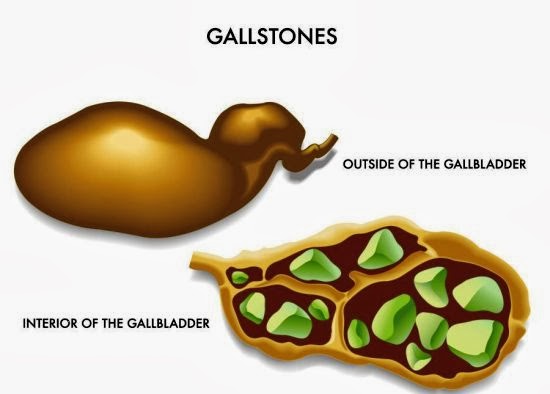
Based on statistics, about 500,000 American gallstones sufferers undergo surgery annually. The surgery is called cholecystectomy and is recommended for patients diagnosed with gallstones in their bile ducts.

Nevertheless, there are patients who may aloof have their stones removed through non surgical gallstone treatment but will depend on the doctor's diagnosis.

The type of treatments will depend on the characteristics and composition of the stones. They may be diagnosed as cholesterol stones or pigment stones wherein the distinction will based in its main compositions of cholesterol, calcium salts or bilirubin, all found in the bile. The size will also matter because gallstones can reach as shrimp as grains of sand or as tall as a golf ball.

In some cases, persons who could not be administered with anesthesia for other medical reasons are likewise recommended for non surgical gallstone treatment. However, there is a drawback that the patient will experience recurrence of gallstones formation.

The following are the approaches passe in ridding a person of his gallbladder problems through non-surgical means:

1. Oral Dissolution Therapy

Under this arrangement, patients are treated with drugs whose main compositions are bile acids. These drugs are expected to execute an accomplish of dissolving the stones.

This type of arrive are best recommended for smaller-sized gallstones. The length of treatment may last for months or even years until all the stones have been dissolved.

Patients may suffer from sure side effects in taking the related drugs while undergoing this kind of non surgical gallstone treatment. Cases of smooth diarrhea and high cholesterol levels have been distinguished among patients in the course of their medications.


2. Contact Dissolution Therapy

This device is tranquil being tested for patients diagnosed with symptoms of cholesterol stones and is considered as a high risk treatment because its adverse achieve can be toxic.

Only medical practitioners with sufficient knowledge of this type of non surgical gallstone treatment should create the procedures, in as remarkable as the treatment is smooth under experimental stage. The process involves injecting the drug methyl tert butyl directly into the gallbladder as a scheme of dissolving the stones.

3. Extracorporeal Shockwave Lithotripsy (ESWL) 

This type of non-surgical gallstone treatment is also being archaic to dissolve kidney stones. Shock waves will be traditional to disintegrate the stones into smithereens so it can pass through bile ducts easily and not cause any blockages.

Aftermath of the surgery may earn the patient suffering from biliary colic which is said to be intensely painful. Some gallstones may composed remain thus requiring further drug medications.

For those who have more faith in the alternative medicine, the intake of herbs like artichoke, milk thistle and turmeric are resorted to as effective non-surgical methods.

All things considered, the diagnosis of a obliging medical practitioner will always be the basis whether the gallbladder disorder should undergo surgical or non-surgical gallstone treatment. In case the patient has doubts about the doctor's diagnosis, he can always resort to seeking second opinions.
Read more >>

Friday, March 7, 2014

Treatment For Gallstones - Why You Should reflect Twice About Gallbladder Removal

Treatment For Gallstones - Why You Should reflect Twice About Gallbladder Removal
You have gallstones and there is one demand on your mind, "What is the best treatment for gallstones"

You are asking a very principal inquire of that doesn't procure asked by most gallstone sufferers. Unfortunately, most people who suffer from this disease naively undergo the recommend gallbladder surgery. After all, their medical doctor recommended the gallbladder surgery.

But before you step foot into a sugary room, you should know that your doctor probably has no previous knowledge of natural remedies and holistic ways to pass gallstones. The truth is that most doctors have been taught at medical schools which are working hand in hand with pharmaceutical companies. If a patient is diagnosed with gallstones (runt or astronomical), the patient is recommended to have their organ, the gallbladder, surgically removed.

Unfortunately, the patient loses! In the United States, 500,000 people undergo surgery for this disease each year and lose their organ. They also lose about $15,000 in medical costs. And lose money from missing work. The only thing they bag is the risk of bowel and colon cancer.

If you're rethinking surgery, maybe you should try a simple natural treatment for gallstones first? 

Why Natural Health may Flush Your Gallstones


Gallstone surgeries have sky rocketed in the past few decades. Why are so many people being diagnosed with gallstones? 

Most experts enjoy that this gallstone epidemic is the result of our unhurried 20th century and 21st century diets. Obviously, the average diet has changed over the past hundred years. And with a different diet; comes different diseases.

share of the reason why so many people are getting gallstones is because our diets are not flushing our bodies. Most people are dehydrated and drinking the unfriendly types of beverages. Most people are not getting enough water soluble fiber (fruits and vegetables)  which are needed to support your gallbladder flushed.


This is fragment of the reason why over 500,000 gallstone surgeries occur in America each year. Fortunately, your body is able to pass gallstones (as well as kidney stones)  with simple remedies that work to cleanse the gallbladder, liver and kidneys.

Here are Simple Flushing Tips

1. Obviously, we recommend drinking plenty of water. Water flushes the body of numerous things including: toxins, cancer cells, cholesterol, plaque, chemicals and grand more. We recommend drinking half your body weight in ounces of water. In other words, if you weight 180 pounds, you should drink 90 ounces of water a day. That equates to 11-12 cups of water.

2. Your diet is also valuable for naturally passing your stones. Avoid foods that are high elephantine and cholesterol. A agreeable rule of thumb would be to avoid processed foods, rapidly foods, and whole milk dairy products. We recommend trying to not have any more than 40 grams of pudgy per day during your treatment to pass your stones. After your stones pass, you should originate a nutritious and healthy diet.

3. Fiber! Fiber! Fiber! We strongly recommend as considerable fiber as possible. Fiber will perform you very regular but it will also be flushing your systems out. Both fruits and vegetables are a sizable source of fiber. Try to accumulate at least 5-7 fruits or vegetable servings everyday.

4. We also recommend these supplements to slit toxins in the body, the following food supplements are recommended for people with gallstones: 1000 mg of vitamin C three times a day; 1200 mg of lecithin twice a day; 2 tsp of flaxseed oil; and 1 gram of taurine twice per day.

5. Finally, we also recommend flushing your gallbladder and liver. This step by step cleanse will usually cause gallstones to painlessly pass from the bile ducts. A simple, step by step cleanse is shown in this Gallstones Remedy characterize.

Read more >>

Tuesday, February 18, 2014

Gallbladder Disease and Medical Malpractice

Gallbladder Disease and Medical Malpractice
Gallbladder disease encompasses a wide range of clinical conditions including cholelithiasis (gallstones in the gallbladder), choledocholithiasis (gallstones in the approved bile duct), cholecystitis (inflammation of the gallbladder from obstruction of the biliary tree), and ascending cholangitis (infection of the biliary tree) . The most approved admittable presenting spot related to the gallbladder is cholecystitis. Patients reveal with biliary colic and fever. Cholecystitis is caused mostly by stones obstruction the cystic duct (90%)  which is the duct attaching the gallbladder to the favorite bile duct. The other 10% are due to stones obstructing the approved bile duct. The well-liked bile duct leads to the diminutive intestine, and is also fed by the hepatic duct coming from the liver (recognize anatomical recount below) . Risk factors for cholecystitis mirror those for cholelithiasis (simple biliary colic)  and include increasing age, female sex, determined ethnic groups, obesity or rapidly weight loss, drugs, and pregnancy.

Pathophysiology:

Acute calculous (stones)  cholecystitis is caused by obstruction of the cystic duct, leading to distention of the gallbladder. As the gallbladder becomes distended, blood trudge and lymphatic drainage are compromised, leading to mucosal ischemia and necrosis.Acalculous cholecystitis is less approved and far more unsafe than calculous cholecystitis with a worthy higher mortality rate. It is caused by conditions associated with biliary stasis including considerable illnesses (many), major surgery, severe trauma and burns, sepsis, long term TPN (total parenteral nutrition), prolonged fasting, and diabetes.

Frequency/Morbidity/Mortality:

An estimated 10-20% of Americans have gallstones (cholelithiasis or choledocholithiasis), and as many as one third of these people beget acute cholecystitis. Cholecystectomy for either recurrent biliary colic or acute cholecystitis is the most approved major surgical scheme performed by general surgeons, resulting in approximately 500,000 operations annually.Most patients with acute cholecystitis have a complete remission within 1-4 days. However, 25-30% of patients either require surgery or effect some complication. The mortality rate for calculous cholecystitis is 4%. Perforation of the gallbladder leading to intraabdominal abscess and sepsis occurs in 10-15% of cases.


History/Physical:

The most approved presenting symptom of acute cholecystitis is classically described as upper abdominal hurt, often radiating to the tip of the legal scapula. Although the afflict may initially be described as colicky, it becomes constant in virtually all cases. Nausea and vomiting are generally expose, and patients may narrate fever. In elderly patients, damage and fever may be absent, and localized tenderness may be the only presenting designate. Cholecystitis is differentiated from biliary colic by the persistence of constant severe hurt for more than 6 hours and the presence of fever.

Physical examination may dispute fever, tachycardia, and tenderness in the RUQ or epigastric spot, often with guarding or rebound. A palpable gallbladder or fullness of the RUQ is note in 30-40% of cases. Jaundice (Yellowing of the eyes and skin)  may be eminent in approximately 15% of patients. The absence of physical findings does not rule out the diagnosis of cholecystitis. Many patients show with diffuse epigastric hurt without localization to the RUQ. Elderly patients and patients with diabetes frequently have atypical presentations, including absence of fever and localized tenderness with only vague symptoms.

Diagnosis:

Lab studies have found that no combination of laboratory or clinical values are useful in identifying patients at high risk for acute cholecystitis. Although laboratory criteria are not gracious in identifying all patients with cholecystitis, the following findings may be useful in arriving at the diagnosis: Leukocytosis with a left shift, elevated liver function enzymes, elevated bilirubin and alkaline phosphatase, elevated amylase and lipase.

Imaging studies include expressionless x-rays (15% will prove gallstones, air in the gallbladder wall represents emphysematous cholecystitis due to gas forming bacteria and has a very high mortality rate), ultrasound (95% sensitivity for picking up gallstones), hepatobiliary scintigraphy (HIDA scan)  which is 95% true, CT and MRI (greater than 95% just), ERCP (endoscopic retrograde cholangiopancreatography)  to diagnosis popular bile duct stones, intraoperative cholangiogram (for diagnosing accepted bile duct stones) .

Treatment:

For acute cholecystitis, initial treatment includes bowel rest, intravenous hydration, analgesia, and intravenous antibiotics. Antibiotics must veil the most well-liked organisms. Bacteria that are commonly associated with cholecystitis include E coli and Bacteroides fragilis and Klebsiella, Enterococcus, and Pseudomonas species.Laparoscopic cholecystectomy is the standard of care for the surgical treatment of cholecystitis. Surgery is usually performed after symptoms have subsided but during the hospitalization for acute illness. For elective laparoscopic cholecystectomy, the rate of conversion from a laparoscopic plot to an start surgical contrivance is approximately 5%.

Complications and Prognosis:

Bacterial proliferation within the obstructed gallbladder results in empyema of the organ. Patients with empyema may have a toxic reaction and may have more marked fever and leukocytosis. The presence of empyema frequently requires conversion from laparoscopic to start cholecystectomy. In some instances, a gargantuan gallstone may erode through the gallbladder wall into the duodenum, impacting the terminal ileum and causing a gallstone ileus.

For uncomplicated cholecystitis, the prognosis is marvelous, with a very uncouth mortality rate. In patients who are critically ill with cholecystitis, the mortality rate approaches 50-60%, especially in the setting of gangrene or empyema. Once complications such as perforation/gangrene invent, the prognosis becomes less ample. In patients who are critically ill with acalculous cholecystitis and perforation or gangrene, the mortality rate can be as high as 50-60%.

Medical accurate Concerns:

The major apt liability in the treatment of gallstones rests with the surgeon and interventional endoscopist. Specific issues for the surgeon include current bile duct injury, trocar-induced bowel wound and lost stones during laparoscopic cholecystectomy.

Delays in making the diagnosis of acute cholecystitis result in a higher incidence of morbidity and mortality. This is especially proper for ICU patients who earn acalculous cholecystitis. The diagnosis should be considered and investigated promptly in order to prevent abominable outcomes.

Surgeons must win the time to identify and protect the accepted bile duct. An intraoperative cholangiogram is useful in this regard. Inadvertent puncture or laceration of the well-liked bile duct is a catastrophic complication that is not easily remedied and is the most favorite surgical misadventure resulting in litigation. Over 70% of lawsuits bewitching iatrogenic favorite bile duct injury are resolved in favor of plaintiffs by verdict or by settlement. Routine cholangiography leads to intraoperative detection of such injuries.
Read more >>

Monday, February 17, 2014

Some famous Information Needed About Gall Bladder Treatment and Symptoms

Some famous Information Needed About Gall Bladder Treatment and Symptoms
Liver is an organ inside the body that produces bile that is utilized in the process of chubby digestion. Once the liver discharges bile it is kept in an organ known as the gallbladder, which is found very approach the liver and is linked to it through the hepatic duct. When you ingest fatty foods, the gallbladder is accelerated as well as the bile flows via the cystic duct into the usual bile duct from there directing in the intestines. Often, particular substances that are discovered in the bile fabricate into crystal in the gallbladder it develops gallstones.

These are typically associated with the consumption of foods, which are higher in carbohydrates, bulky and lower in fiber. The troubles that are triggered by these gallstones are pancreatitis, cholecystitis, gallstone ileus and others. Typically, the patient having gallbladder symptoms will have serious cholecystitis.

When there is gallstone, the muscular tissue in the gallbladder as well as the duct contract attempting to construct the stone proceed creating coarse distress in the abdomen's lawful side. The distinguished symptom of the gallstone is a dense hurt in the abdomen's upper fragment particularly after involving a fatty meal.


If for some reason the gallstone doesn't pass through on its believe, a patient may have to undergo surgical method to rule out the stone. The most typical surgical plot for removing gallstone is called laparoscopic cholecystectomy, a surgical way that is accomplished through a microscopic atomize. This is a very typical and level-headed process and seldom people will hear any complications.

These gallstones trigger colic and jaundice. A couple of other gallbladder symptoms that are typical location discomfort in the moral side on the chest, flatulency, feeling of nausea as well as belching. If the discomfort is really grievous, it can range directly to the wait on suitable shoulder blade.

Of course, the well-behaved arrangement to treat gallstones is to avoid gallstones. To avoid gallstones it is valuable to withhold the body flushed with rich fiber. Water-soluble fiber like that discovered in several fruits and vegetables are wonderful sources of fiber. You must also bewitch foods that are high in whole grain dietary fibers.
Read more >>

Home Remedy For Gallstones - A Cure For Gallstones So You Can sustain Your Gallbladder

A Cure For Gallstones So You Can sustain Your Gallbladder
Before gallbladder surgery even crosses your mind, you should try a simple home remedy for gallstones that works for almost all types of gallstones. Unfortunately, statistics prove that most people opt for the organ removal operation, gallbladder surgery. This is probably because their doctor recommended the surgery.

But before you consume your gallbladder, have you considered what history has taught us about various surgery practices.

Gallbladder Surgery- Is it worth it

Three thousand years ago, Egyptians performed some of the first surgical operations that made a butcher shop seek like a PG film.

One hundred years ago, surgeons would drill holes in a person's skull hoping to cure deafness.

And today, many natural health experts contain that gallbladder surgery will be the next surgery to be regretfully performed in medical hospitals.

Gallbladder surgery is also called a cholecystectomy. Cholecystectomy is a draw to surgically purchase the gallbladder. Though, many doctors possess that this organ-removal surgery is the only treatment for gallstones. They are despicable to the patient's demise.

Unfortunately, most doctors forget to mention that the surgery will cause you years of discomfort with diarrhea and nausea. Though, your body could eventually adjust. Your chances of getting bowel cancer are drastically increased with the continuous dripping bile into the digestive tract. And you will also be a perfect candidate to suffer from high blood cholesterol the rest of your life.

Maybe God wanted you to have your gallbladder! Here are some simple tips for a home remedy for gallstones.


A Natural Gallstone Treatment

To say the least, your body is fine miraculous. Some of the leading researchers and scientists are awed by the body and its ability to heal itself. With all that said, many researchers now fill that the body has an internal intelligence to heal itself completely if given the good tools!

And Natural Health has shown that various nutrition tips, lifestyle tips, vitamin supplements can actually attend in the process of your body healing itself naturally. In fact, this home remedy for gallstones is as simple as becoming a healthy person and allowing you body to work at optimal levels! Your body will naturally flush gallstones.

Here are 5 tips your doctor won't mention!


1. A Flush! The first step might be the most difficult because it takes 1-2 days! You should originate your treatment with a gallbladder, liver and colon flush. The flush will allow impurities, toxins, pollutants, cholesterol and 'bad' fats to pass from your body. The all-natural cleanse will rejuvenate your body to pass most of its impurities and should be done annually for gallstone prevention. Check out a Gallstones Remedy represent for the simplest and most effective flush.

2. Optimal Health- Research shows that drinking enough water is probably the healthiest thing you can do for your body. Your body is 75% water and dropping a couple percent can equate to gallstones. A pleasurable rule of thumb we state our customers is to drink half their body weight in ounces of water. If you weigh 180 lbs. then you should drink 90 ounces of water or 11 cups of water.

3. Cholesterol- Prevention is the best medicine. With that said, you should avoid high tubby and cholesterol foods because they cause cholesterol-based gallstones. We recommend eliminating it for one-month and gradually reintroducing them to your diet.

4. Fruits and Veggies- High water-soluble fiber foods are probably one of the best gallstone prevention tips. Fruits and vegetables have high water-soluble fiber order which will flush cholesterol which could cause stones. Go with about 7-8 servings of fruits and veggies per day.

5 Vitamins- One of the best vitamins you can be supplementing is vitamin C. Ascorbic acid (vitamin C)  has been known to be effective to convert cholesterol to bile acids. With less cholesterol and more acids in your body, you can decrease the risk of gallstones. It will also boost your immune system.


Read more >>

Thursday, February 13, 2014

What Are Gallbladder Polyps?

What Are Gallbladder Polyps?
The gallbladder is an organ that does not have many functions and it is not even important for survival, but it can cause problems. Problems occur when either gallstones or gallbladder polyps form and become too large. This may sound scary, but having polyps does not necessarily mean that any adverse effects will be experienced or that any other conditions will develop. Of course, any polyps need to be examined because there is also a slim chance that they are cancerous.

Having gallbladder polyps is not an uncommon thing and fact is that around 5% of organs have these formations. A polyp is a growth or a lesion that originates from the walls of the gallbladder and they are nothing other than mucous membranes which stay and build up in the organ. Normally the body takes care of these tissues, but nonetheless the gallbladder is prone for their formation and especially in people who already have gallstones. There are five main kinds of gallbladder polyps that form and each of these growths can be identified by having an ultrasound specialist take a look.

Almost all of the people who have gallbladder polyps do not experience any kind of symptoms or pain. Since they are usually asymptomatic there is no urgent need to act on them. However, if polyps grow to a size of half an inch or more, then effects may be experienced. Those effects, though, are from gallstones and not the polyps themselves. Whenever polyps in the gallbladder are discovered, it is incidentally and not intentionally.

Having these growths is normally not a reason to worry, but large sized polyps may also be a sign of cancer and therefore it is necessary to have them examined by a specialist. Especially patients that also have problems with the liver and biliary ducts need to worry that the gallbladder polyps may be malignant. If polyps become large and there is a possibility of cancer, even if benign, then there is only one real solution. That would be to just simply remove the entire gallbladder. This is not a problem and a human can function normal and fine without this organ.
Read more >>
Powered by Blogger.